In an industrial context where reliability and performance are essential, press-fit technology is emerging as a preferred alternative to soldering. Based on a mechanical assembly process that does not involve the application of heat, it offers numerous technical and operational advantages.
Press-fit: the ideal technique for demanding electronic environments
One of the key advantages of press-fit is the absence of heat during the press-fit process. Unlike soldering, this protects sensitive components and reduces the risk of deformation or micro-cracks. This characteristic is particularly critical in demanding electronic environments.
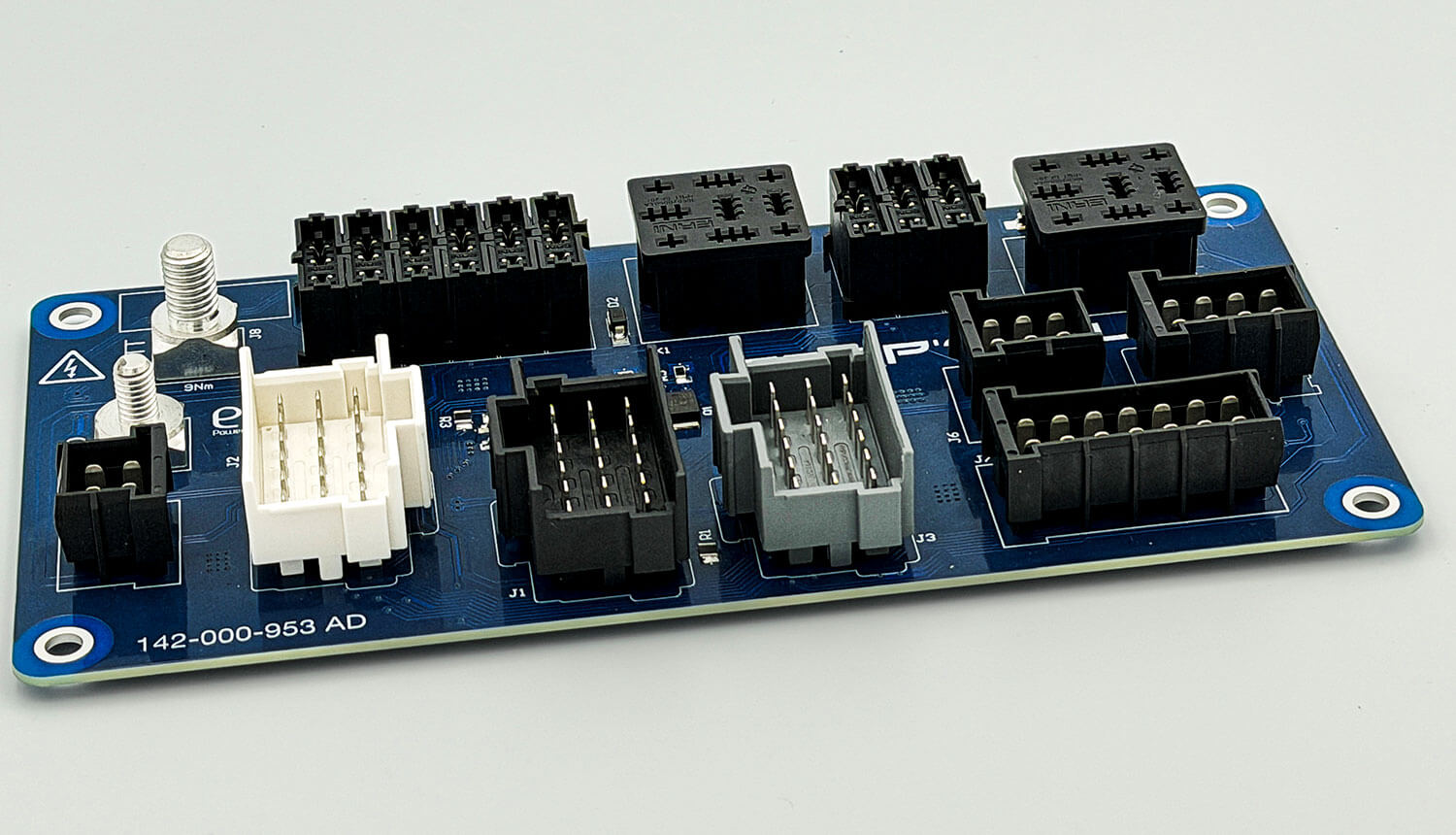
Mechanical reliability is also enhanced. Press-fit pins offer excellent resistance to shock, vibration and thermal cycling, ensuring long-lasting connections. In addition, they feature low contact resistance, allowing high currents to pass through with minimal heating.
Simplification and consistent quality thanks to press-fit
From an industrial perspective, press-fit offers considerable time savings: insertion is completed in a single operation, simplifying the production process and reducing cycle times. Maintenance is also made easier, with components that can be replaced without the need for heat treatment.
Finally, this technology stands out for its repeatability and reduced environmental impact. It guarantees consistent quality, traceability of operations, and eliminates gas emissions or residues associated with soldering.
efa, experts in the design of bespoke PDUs
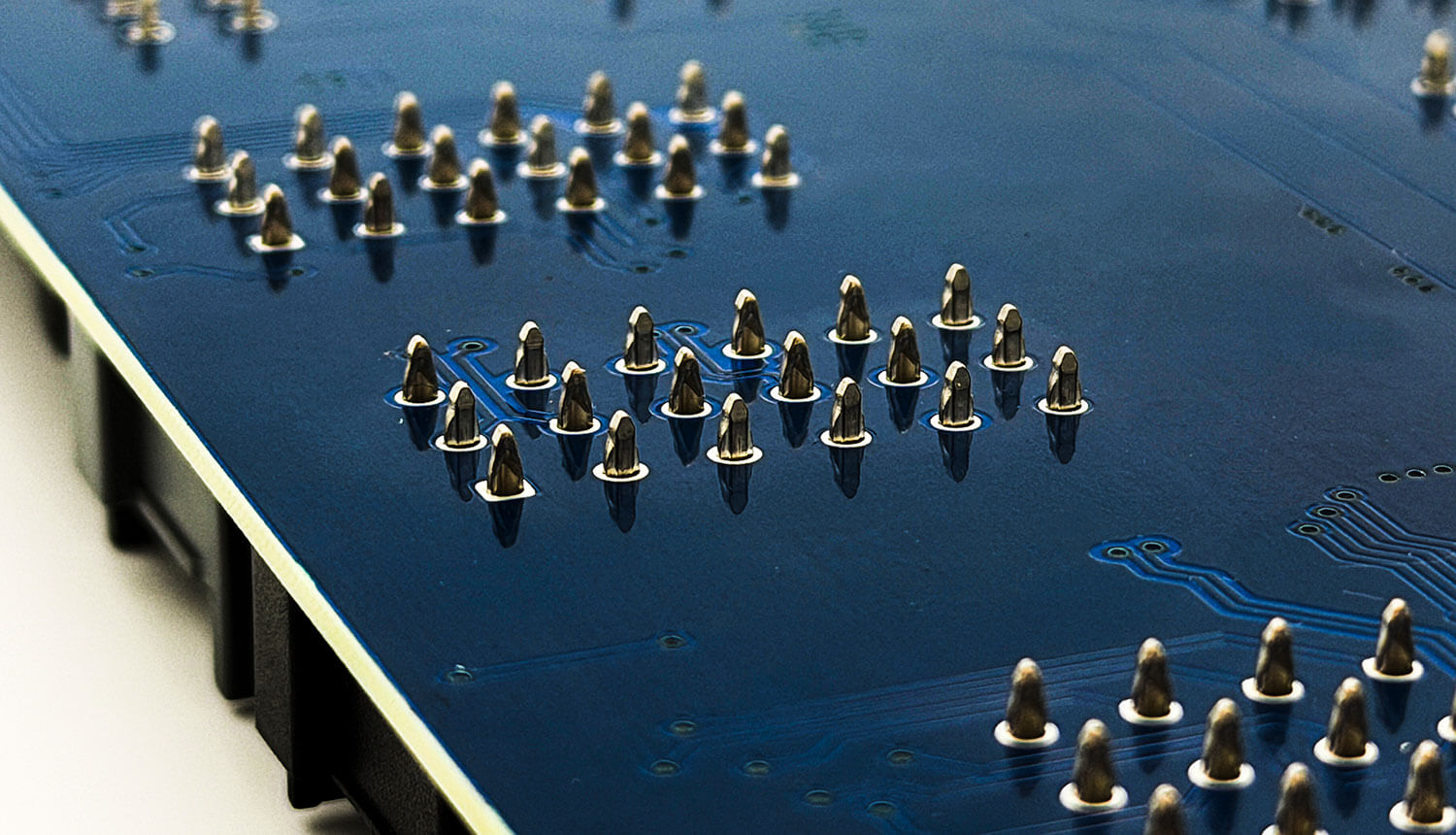
efa now manufactures its own press-fit boards, enabling it to offer its customers even greater optimisation in the production of its bespoke PDUs. Space savings within the PDU, ease of installation, increased current capacity, and assembly carried out in France in our workshops: the press-fit system represents a real step forward in the implementation of controlled power distribution.
Interested in our press-fit solutions? Contact efa today!