Mobile machinery and remote operation:
Why carry out remote operations in hazardous areas?
In many industrial and operational sectors, direct human intervention is not always possible — or desirable. Exposure to toxic substances, explosion risks, structural instability or extreme environmental conditions: certain situations make human presence too risky. It is in these situations that remotely operated mobile vehicles come into their own.
What is a remotely operated vehicle?
A remotely operated vehicle is a mobile craft (land, air or sea) controlled remotely by a human operator, usually via a digital interface. Unlike fully autonomous systems, remote operation retains real-time human decision-making, whilst keeping the operator away from danger.
These systems generally combine:
- sensors (cameras, LIDAR, radar)
- communication systems (radio, 4G/5G, satellite with a latency of 65ms)
- and ergonomic control interfaces
Why use remote operation in hazardous areas?
Protecting human life
The main reason is obvious: to avoid exposing operators to hazardous environments. Whether it is a fire, a chemical spill or a contaminated area, remote operation makes it possible to intervene without putting human lives at risk.
Working in inaccessible environments
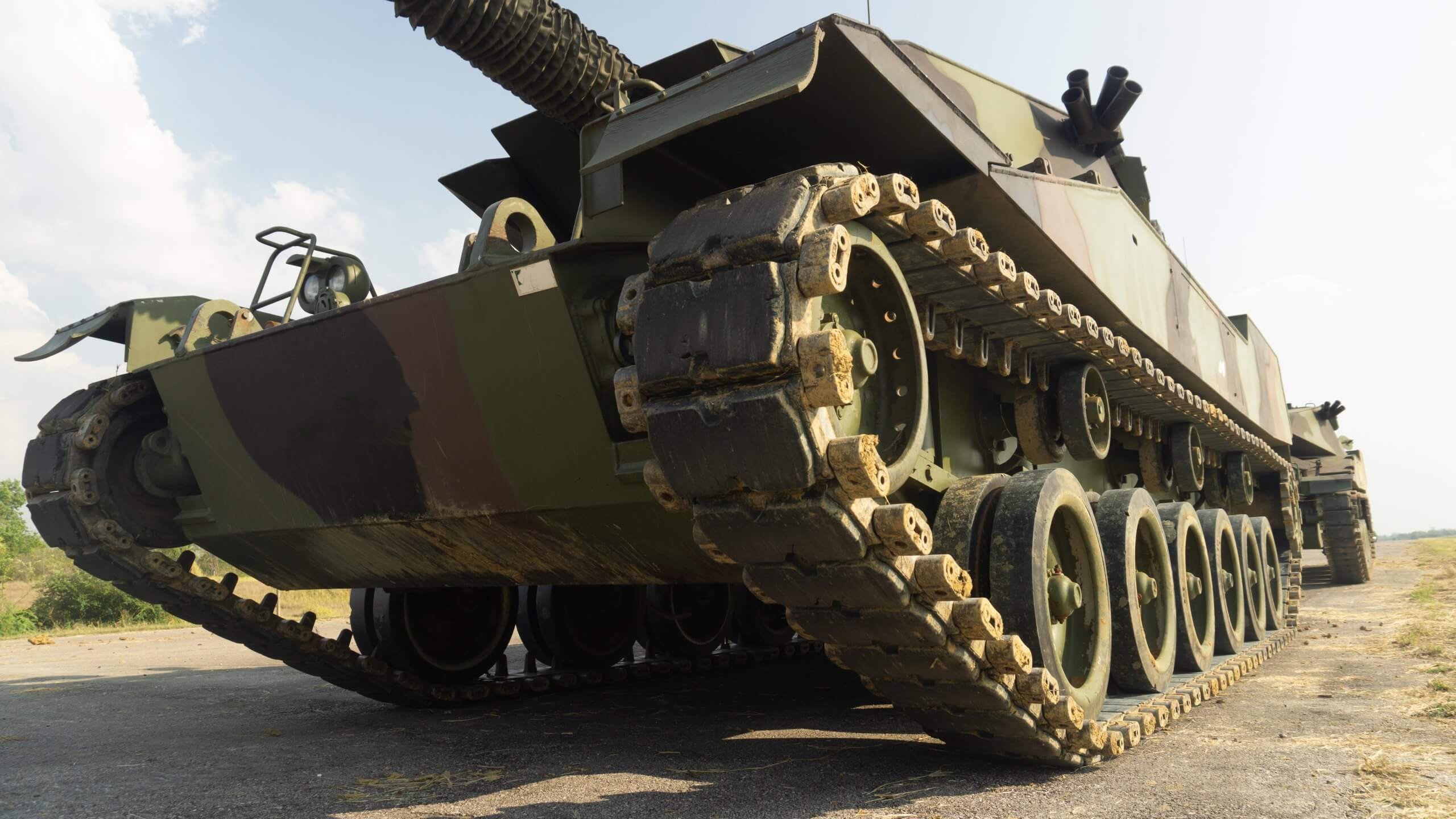
Some areas are physically difficult to access: collapsed tunnels, the seabed, contaminated areas, or unstable terrain. Remotely operated vehicles can navigate these areas more easily, often thanks to their specialised design (caterpillar tracks, drones, underwater robots).
Maintaining operational capability in extreme conditions
Extreme temperatures, high pressure, toxic atmospheres… these are all conditions in which humans cannot survive for long. Machines, on the other hand, can be designed to withstand these conditions.
The main areas of use
Hazardous industrial environments
In certain factories (chemical, metallurgical), remotely operated vehicles are used in:
- areas of extreme heat,
- toxic environments,
- confined spaces.
Oil and gas sector
At sea, particularly on offshore platforms, remotely operated vehicles are used to:
- inspect infrastructure,
- carry out repairs,
- monitor pipelines.
Defence and mine clearance
The armed forces make extensive use of remote-controlled operations to:
- defuse explosives,
- monitor hostile areas,
- carry out reconnaissance missions.
This significantly reduces casualties.
Nuclear industry
In nuclear power stations or during incidents, for:
- inspecting facilities,
- carrying out maintenance work,
- responding to accidents.
Civil protection and emergency response
Remote-controlled robots are used by rescue teams to:
- search collapsed buildings,
- locate victims,
- handle dangerous objects (e.g. explosives).
They enable rapid action whilst minimising the risks to rescue teams.
The benefits of remote operation
Safety
The operator is kept away from the hazard zone, which drastically reduces the risk of accidents involving people.
Precision and human control
Unlike fully autonomous systems, teleoperation allows for real-time human decision-making, which is essential in complex and unpredictable situations.
Operational flexibility
The same machine can be used in different contexts with software or hardware adaptations.
Long-term cost savings
Fewer accidents, less high-risk training, less heavy protective equipment: the indirect savings are significant.
Real-time data collection
On-board sensors transmit valuable information for decision-making (images, temperatures, chemical measurements, etc.).
Technological advances (5G, artificial intelligence, immersive interfaces) are, however, helping to reduce these constraints. At efa, we offer a bespoke telematics solution.
Remotely operated mobile vehicles have become indispensable tools for carrying out operations in hazardous areas. They enable a balance to be struck between operational efficiency and the protection of human life, whilst paving the way for new operational capabilities.
As technologies evolve, the line between remote operation and autonomy is becoming increasingly blurred, promising systems that are ever more capable, safe and intelligent.